Running shoes
Nike Pegasus 41
A road-training entry in the Pegasus family, positioned separately from Nike race-day models. Compare the exact standard, GORE-TEX and other regional versions rather than treating their specifications as identical.
Explore road, trail and race shoes. Compare the details, share your miles and ask better questions before buying.
Share clear photographs, compare observations and keep uncertainty visible.
A road-training entry in the Pegasus family, positioned separately from Nike race-day models. Compare the exact standard, GORE-TEX and other regional versions rather than treating their specifications as identical.
A cushioned road-running model in the Vomero family. The version number matters when comparing it with other Vomero products or waterproof editions.
A road-racing model in the Vaporfly family. Treat its race-focused design as a distinct purchase decision from an everyday trainer, and verify event-specific footwear rules where applicable.
A performance road-racing model in the Alphafly family. Keep the exact version and size attached to any test results rather than applying findings from other Nike racing shoes.
A road performance model listed in Nike’s racing selection. Compare your intended workout role and local product specification with dedicated racing and daily-training alternatives.
A road-running model in the Structure range. Consider fit and the specific support design of this version; a supportive label alone does not establish suitability for an individual runner.
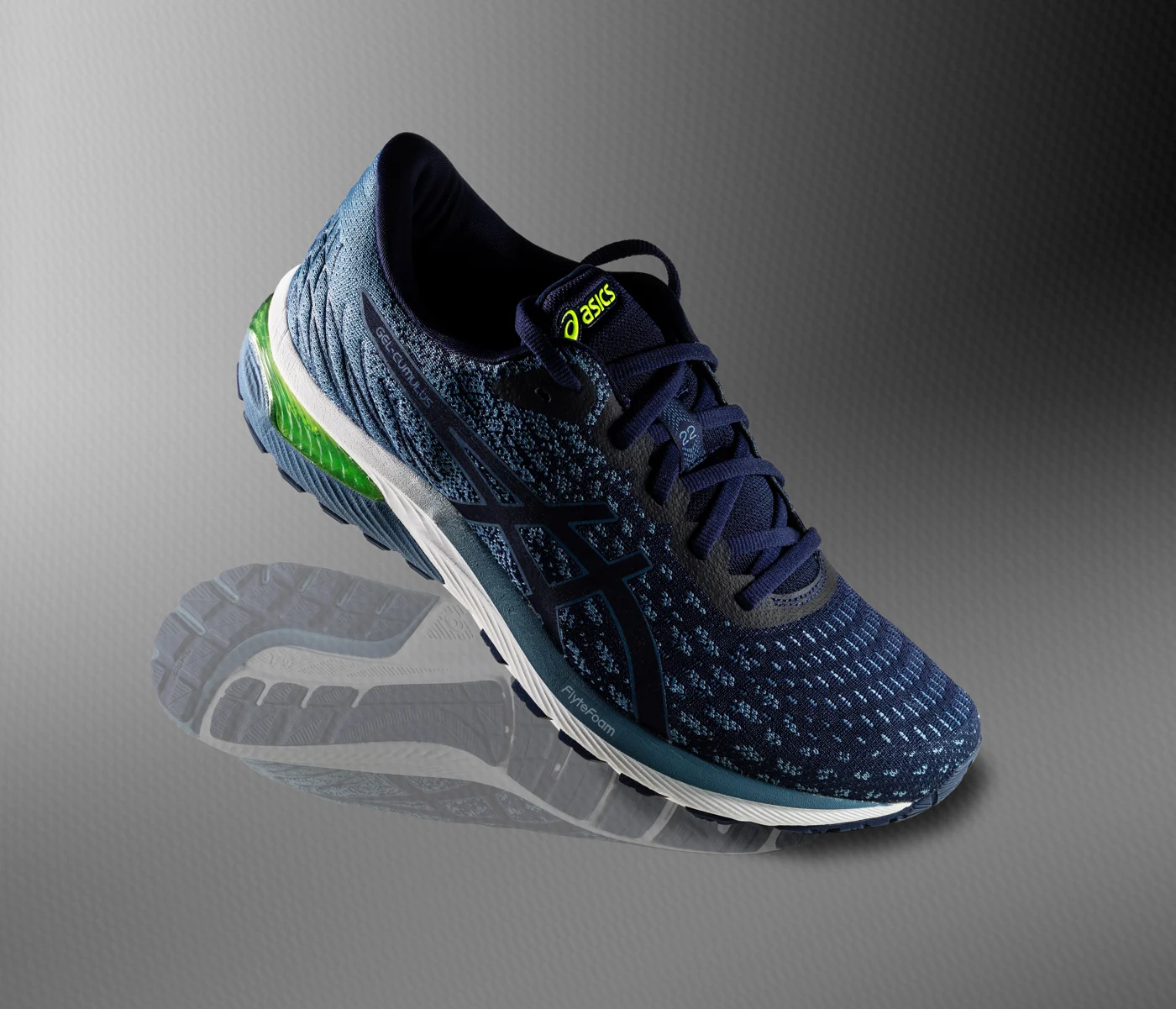
A running model featuring ASICS’ NOVABLAST geometry and forefoot Trampoline Pod concept. The official model page identifies a woven upper and ASICSGRIP forefoot rubber. These are manufacturer descriptions, not our laboratory findings.
A model in the GEL-NIMBUS running family, identified in current ASICS product information. Review the exact regional product page for fit and configuration; sustainability descriptions are not evidence of fit or running performance.
A road running shoe whose official listing identifies EVA cushioning, a rubber outsole and neutral support. The listed 10 mm drop and 265 g weight are manufacturer figures for the referenced product, not independent measurements.
A daily-training model included in HOKA’s shoe-rotation guidance. Compare the precise size and width offered in your region; cushioning category and comfortable fit are separate considerations.
Explore trail footwear and compare terrain, fit, protection and grip.
A trail-running model included in HOKA’s rotation guidance. A useful comparison begins with the terrain and fit you need, then considers outsole design and protection on the exact version.
A trail model in the Lone Peak family. The plus suffix is part of the model identity: verify the region and exact outsole configuration rather than substituting information from Lone Peak 9.
A trail model positioned by Salomon for mixed terrain. Its official description mentions an engineered mesh upper and SensiFit; compare actual ground conditions and fit rather than using trail labels alone.
A waterproof-version trail model listed in Salomon’s trail range. The GORE-TEX suffix matters when assessing an offer or comparing it with the non-waterproof Speedcross version.

A shortlist works best when each shoe has a clear job.
Ground conditions should lead the comparison, not the appearance of a shoe.

A weight without a size and method is an incomplete comparison.
Drop is a geometric description, not a universal recommendation.
Share an unboxing, a long-term running review or a question about your shoes.
Write a story ↗