Foam, geometry and outsole design work together. A foam label or soft hand feel alone does not predict the complete running experience.
Make a useful comparison
Keep the model, size and intended running conditions beside your notes. State which details come from the manufacturer and which you actually measured. Avoid claims that one construction prevents injury or works for everyone.
A road-training entry in the Pegasus family, positioned separately from Nike race-day models. Compare the exact standard, GORE-TEX and other regional versions rather than treating their specifications as identical.
A running model featuring ASICS’ NOVABLAST geometry and forefoot Trampoline Pod concept. The official model page identifies a woven upper and ASICSGRIP forefoot rubber. These are manufacturer descriptions, not our laboratory findings.
A model in the GEL-NIMBUS running family, identified in current ASICS product information. Review the exact regional product page for fit and configuration; sustainability descriptions are not evidence of fit or running performance.
A road running shoe whose official listing identifies EVA cushioning, a rubber outsole and neutral support. The listed 10 mm drop and 265 g weight are manufacturer figures for the referenced product, not independent measurements.
A daily-training model included in HOKA’s shoe-rotation guidance. Compare the precise size and width offered in your region; cushioning category and comfortable fit are separate considerations.
A cushioned road model in HOKA’s Bondi line, listed alongside Clifton and Arahi in the brand’s rotation guide. Use it as a model to investigate for easy-running preferences, not as a universal prescription.
A road-training model in the Ghost family, also listed by Brooks ReStart. New and previously owned offers can have different condition and return terms; compare like-for-like versions.
A Glycerin-family running model listed separately from Glycerin GTS 22 by Brooks. Do not merge neutral and GTS specifications or user reports simply because the family name is shared.
An everyday running model associated with Saucony’s PWRRUN+ foam. The brand identifies this foam family as TPU-based; that does not by itself determine how the shoe will feel to a particular runner.
A Fresh Foam X road-running model. The official page describes cushioning and upper design; check the exact width, version and regional size chart before comparing offers or applying another runner’s fit notes.
A lightweight FuelCell running model whose official description identifies a PEBA/EVA foam blend. Describe the run conditions and size when discussing responsiveness rather than treating a material name as a performance score.
A daily-running model with zero drop in the referenced Altra listing. Zero drop describes the heel-to-forefoot height difference; it is not a guarantee of comfort, injury prevention or suitability.
A road-running model in the Cloudmonster family. Keep the model version attached to fit feedback; an older Cloudmonster size recommendation need not apply to this version.
An everyday running model using the CloudTec Phase cushioning system, according to On. The manufacturer’s transition description should be distinguished from independent test observations.
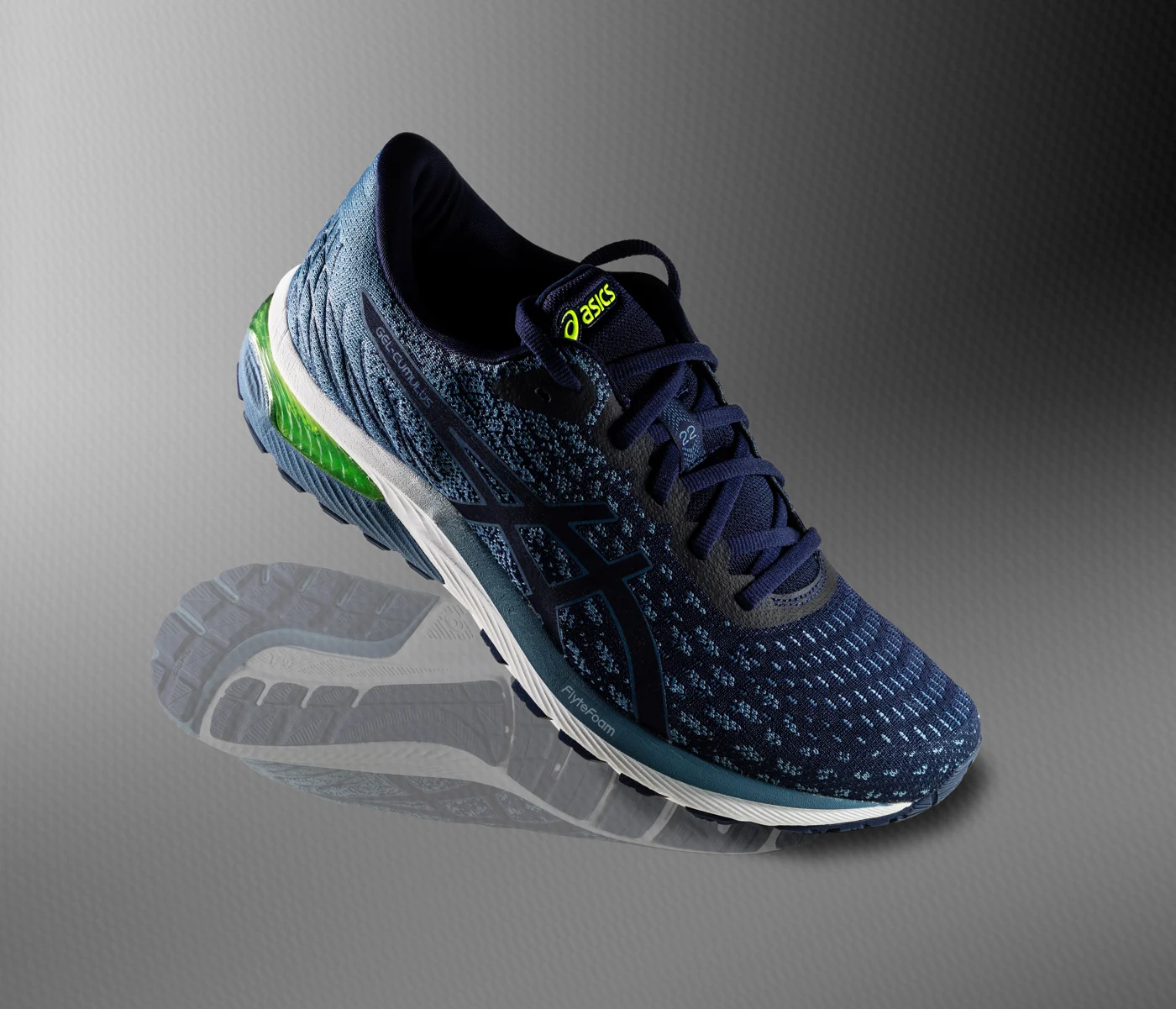
An archived neutral running model documented in a licensed product photograph. The pictured pair is EU 44.5; the photographer records 288 g and a 10 mm drop. Those details belong to this documented example, not all sizes.
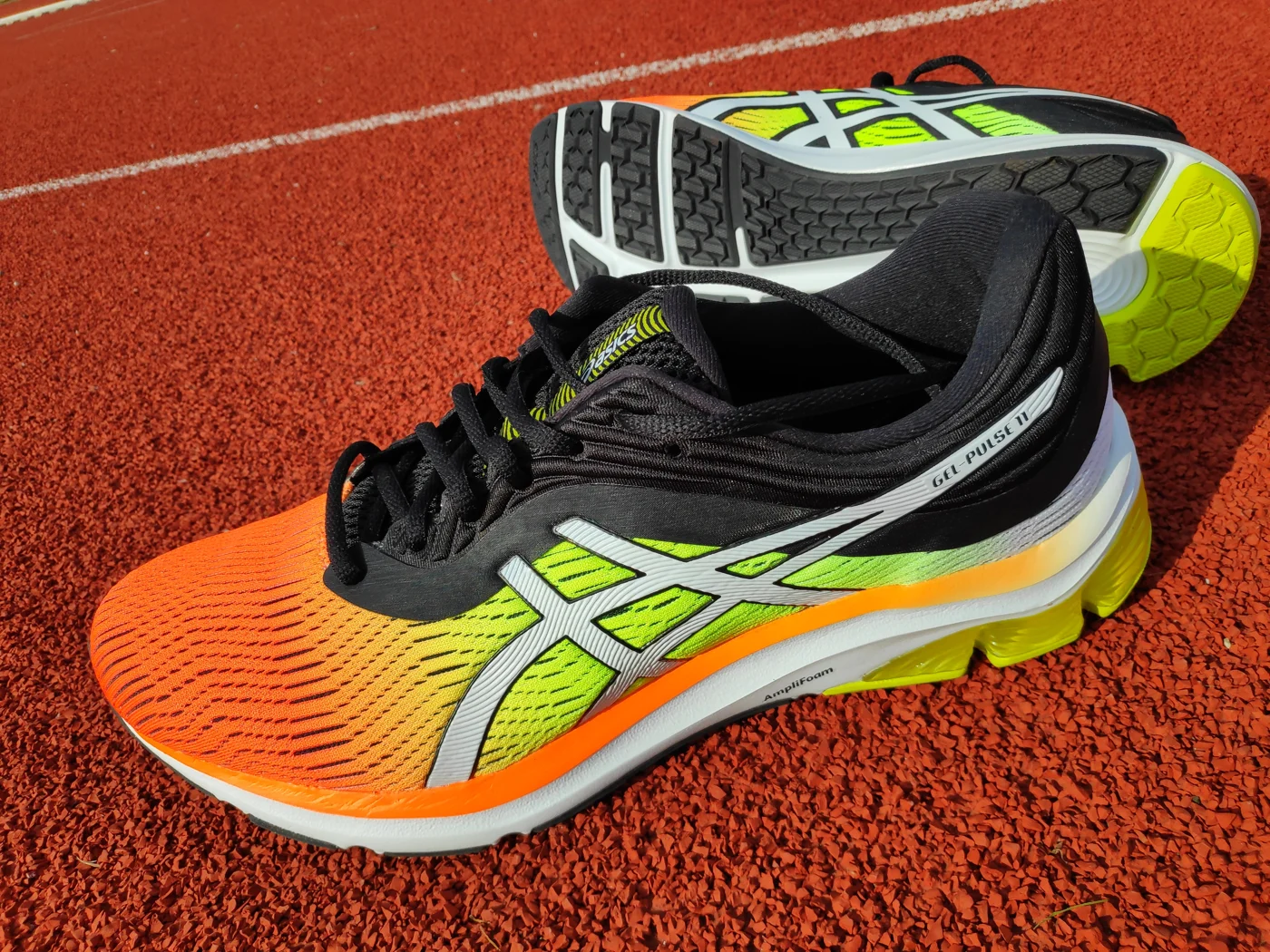
An archived GEL-PULSE running model documented by a named photographer. Use this entry for model history and owner discussions; a photograph does not verify a particular resale listing or its condition.
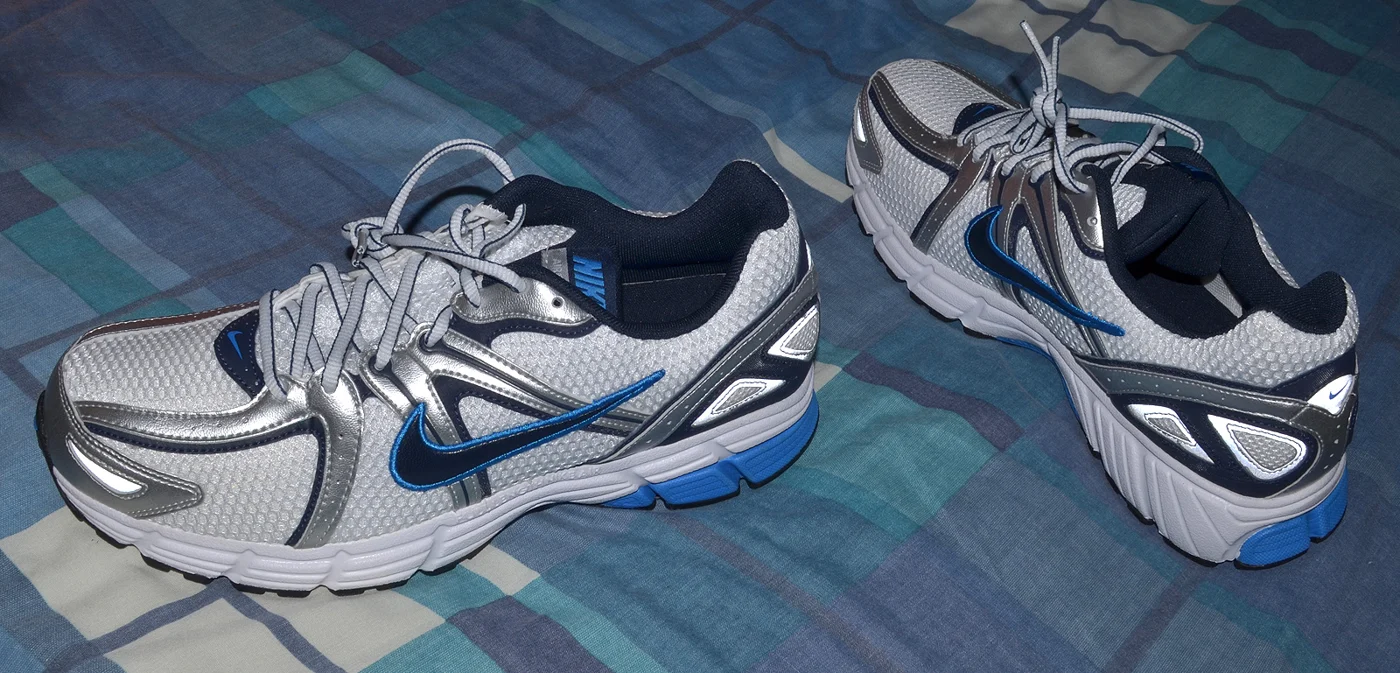
An archived Nike running model identified in the original photographer’s description. It is retained for reference and comparison of visible construction, without presenting the pictured pair as proof for other pairs.